 |
|
Light Time Space
Photography
exists due to three fundamental physical phenomena: Light, Time and Space. The
images in this book express the essential relavance of these fundamentals. The
texts discuss, in depth, what these physical phemonena are and how they are
related to photography. |
| |
|
 |
|
Albedo, Syzygy, Dark Matter
These three terms taken from
astronomy are used as metaphores for discussion of peculiarities of
photographic image making |
| |
|
|
|
 |
|
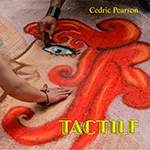
Tactile
Although we obtain the vast
amount of our knowledge of the environment and the universe by transmission of
light, it is essential that we gain embodied knowledge of the 'world' through
touch. The ability to express tactile qualities in images is what makes them
relevant. |
| |
|
|
|
 |
|
What does this say?
We glance
at thousands of images each day, but do we really concider what they mean.
Photographs require careful scrutiny for understanding! Here is a discussion
about how we determine the meaning of images. |
| |
|
|
|
 |
|
II wonder...
How often do we see images that leave us
ambivalent about what they mean, about what is or has happened at the moment of
exposure? The images and texts in this book discus why this occurs and what one
must do to understand the meaning of enigmatic images. |
| |
|
|
|
 |
|
Dyads
Two images presented in close proximity, as in a
page spread in a book, can create new meaning that goes beyond the meaning each
image provides. This book explores the use of dyads, their creation and the
phenomena that provide new meaning. |
| |
|
 |
|
Sequences
Effective photo books use various devices to
form and project visual narrative. The selection and ordering of images in
sequences can create visual phrase and 'sentences'. Image Dyads form basic
building blocks and various layout and graphic forms can provide visual
punctuation. Visual rhythm and tempo can provide emotional effects.. |
| |
| |
|
|
| |
|
 |
